
London is getting a major new cultural landmark – and it’s been a long time coming, says Beatrice Squires.
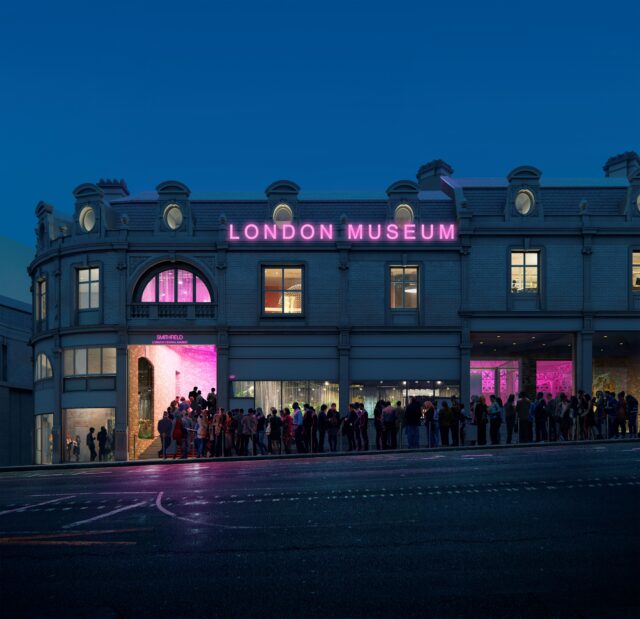
After a lengthy closure, rebrand and relocation from London Wall, the new London Museum opens in Smithfield for its 50th anniversary (from 28 Nov). Bigger, bolder and better than ever, it’s the world’s largest city museum, a thriving social hub – and free to visit.
The museum has moved into Smithfield’s Victorian General Market, which has been beautifully renovated. Originally opened in 1883 and designed by Sir Horace Jones, the architect behind Tower Bridge, this once derelict space has undergone a phenomenal £437m
restoration.
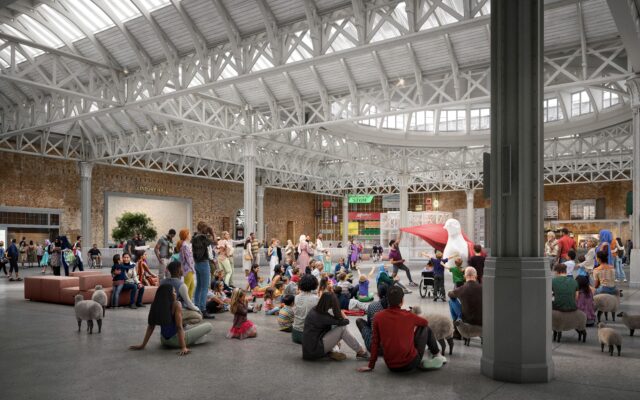
Nestled in one of the capital’s oldest areas, it couldn’t be a better fit for a museum telling London’s story from prehistoric times to the present day. Perhaps the most notable change is its new incarnation as a buzzing social space, with day-to-night events and an eclectic
line-up of food, shopping, DJ nights, supper clubs, family activities and talks. The program kicks off with London Tastes (to Aug), exploring
the capital’s fascinating food culture. These events will take place in Our Time, a central hub beneath the market’s restored dome and one of three interconnected spaces bringing London’s vibrant history to life.
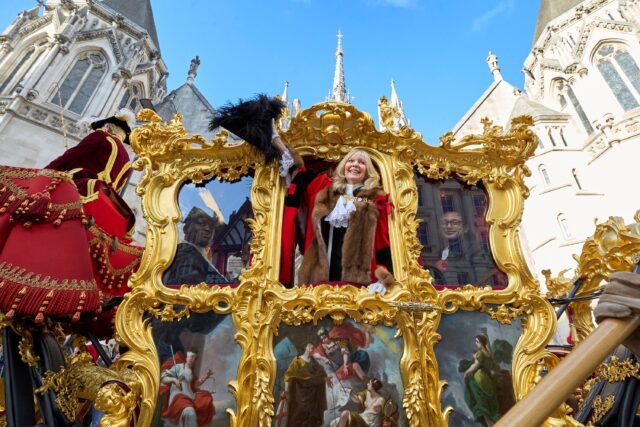
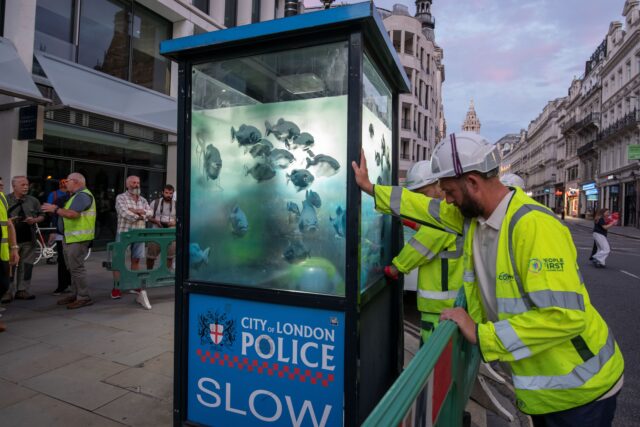
Flanked by 13 large installations, including the Lord Mayor’s State Coach, Our Time celebrates London through living memories. Nearby, Real Time, a covered street, looks at the contemporary city, using data and digital displays – highlights include Banksy’s artwork Piranhas. Meanwhile, deep in the subterranean galleries, Past Time traces the capital’s history chronologically, from Roman times to the 2012 London Summer Olympics. Attractions include a Roman mosaic and writing tablets, Charles I’s execution vest, Queen Victoria’s mourning dress, Charles Dickens’ chair, the Whitechapel Fatberg (a solid mass of waste discovered in an 1850s sewer) and, rather more glamorously, the glittering Cheapside Hoard, one of the world’s most significant collections of Elizabethan and Jacobean jewellery.
Visitors can see trains pass through the permanent galleries from a viewing window, and wave to passengers on the Thameslink line. And the adjacent Poultry Market will open in 2028, adding two temporary exhibition spaces, a learning centre and a collections store.
Discover London in all its grit and glitter, brought vividly to life in this unique new setting.