
London’s newest cultural spaces are rewriting the script, from the boundary-pushing V&A East Museum to the newly opened Museum of Youth Culture, celebrating the stories of a new generation. Beatrice Squires reports.
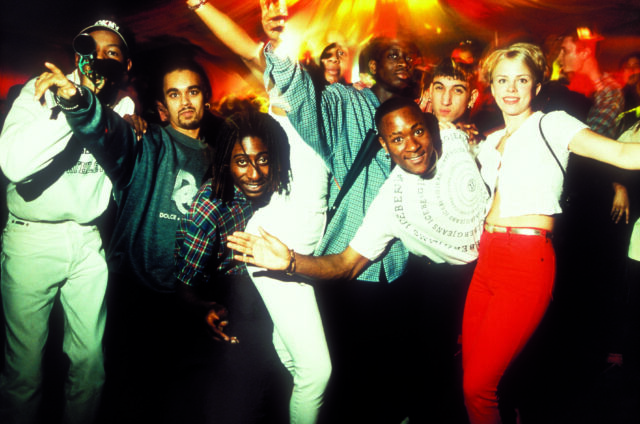
Many roll their eyes dismissively when referencing the ‘youth of today’, yet younger generations have throughout history had an immense impact on our cultural landscape, influencing everything from style and sounds to politics and identity. And although children’s culture has been recognised through institutions such as the Young V&A, that of teenagers has been completely overlooked – until now.
Opening on 15 May, the Museum of Youth Culture in Camden is the UK’s first permanent institution dedicated to keeping alive the stories of younger generations alive across decades, from mods and rockers to ravers and emos. It traces the movements that have emerged from clubs, record shops, markets and community halls, influencing the way people in Britain speak, dress, create and more.
What started in 1997 as a basic collection of images in photographer Jon Swinstead’s garden shed then snowballed, thanks to community contributions, into a national archive of 100,000 items. Arts graduate Jamie Brett joined Swinstead in 2012 and together the pair had the idea of turning it into a museum. Having operated as a pop-up in recent years, its new permanent home is entirely fitting as Camden has produced some of Britain’s most influential subcultures.
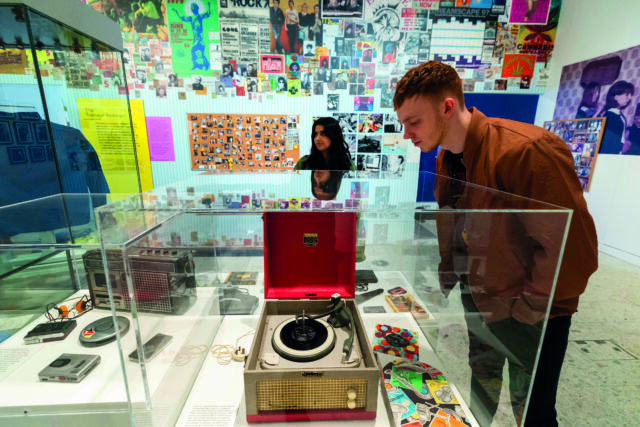
Across three galleries visitors can experience everything from audio, fashion and print to photography and artefacts that spotlight marginalised subcultures turned mainstream. Highlights include an original Sony Walkman with ‘guys’ and ‘dolls’ inputs, punk masks, a vast collection of school leavers’ shirts scrawled with felt-tip messages and a Raleigh Chopper bike – and the collection will continue to grow with ongoing donations. It also doubles as an events space, complete with a Rough Trade record shop and youth club.
Swinstead says: ‘Everything in this museum exists because people cared enough to save it. Flyers kept in drawers. Photos stored on hard
drives. Stories shared before they disappeared. We’ve poured years into protecting this culture because it belongs to the people who built it. Giving it a permanent home is about honouring that effort.’
Opening at a time when many grassroots venues and youth spaces are under threat of closure, this museum is much more than just a nostalgic nod to the past. It’s a vital ongoing record of Britain’s cultural history.